Wedi systems
Because Wedi building board is CodeMark certified, a bathroom renovation built on Wedi can qualify for a Schedule 1 exemption from building consent — no consent fees, no council inspections, no weeks lost waiting for processing. Here's how it works, honestly explained.
Building consent exists to make sure work meets the Building Code. Wedi's board and shower systems carry CodeMark certification — a government-backed product certification that councils must accept as evidence of code compliance when the product is installed exactly as certified. That's what opens the door to exemption: the compliance case is already made by the certification, provided the installation follows it to the letter.
That last part is the whole game. The exemption pathway assumes a Wedi certified installer working strictly to Wedi's product guidelines. It is not a shortcut for anyone with a trowel — the certification, the certified installer and the documented method together do the job an inspection would otherwise check. Which means the exemption isn't really a product feature: it's an installer feature. The pathway runs through us.
1 — Automatic Schedule 1 exemption. When Wedi is used in a bathroom renovation, the work may qualify for an automatic exemption under Schedule 1 of the Building Act and simply not require consent. This decision sits between the building owner and the builder.
2 — Discretionary exemption. Where the owner wants the certainty of a formal council decision — or it's considered necessary — a discretionary exemption can be applied for online. It applies provided the installer is Wedi certified, the installation is carried out strictly to Wedi's guidelines as set out in its CodeMark certification, and the work meets the Building Code. Auckland Council's application fee is currently $515, and no on-site council inspection is required. When Wedi is notified of an application, they contact council on your behalf — and these applications are fast-tracked.
An exemption covers the Wedi wet-area work installed as certified. Whether your wider renovation needs consent depends on its full scope — and the exemption decision itself sits with the building owner and builder, or with council under the discretionary pathway. Application fees and processes are set by each council (the $515 figure is Auckland Council's), and our patch spans Auckland, Kaipara and Whangārei districts. None of this is a reason to hesitate — it's a reason to talk to us first. We'll tell you straight which pathway fits your project, and handle the Wedi side end to end.
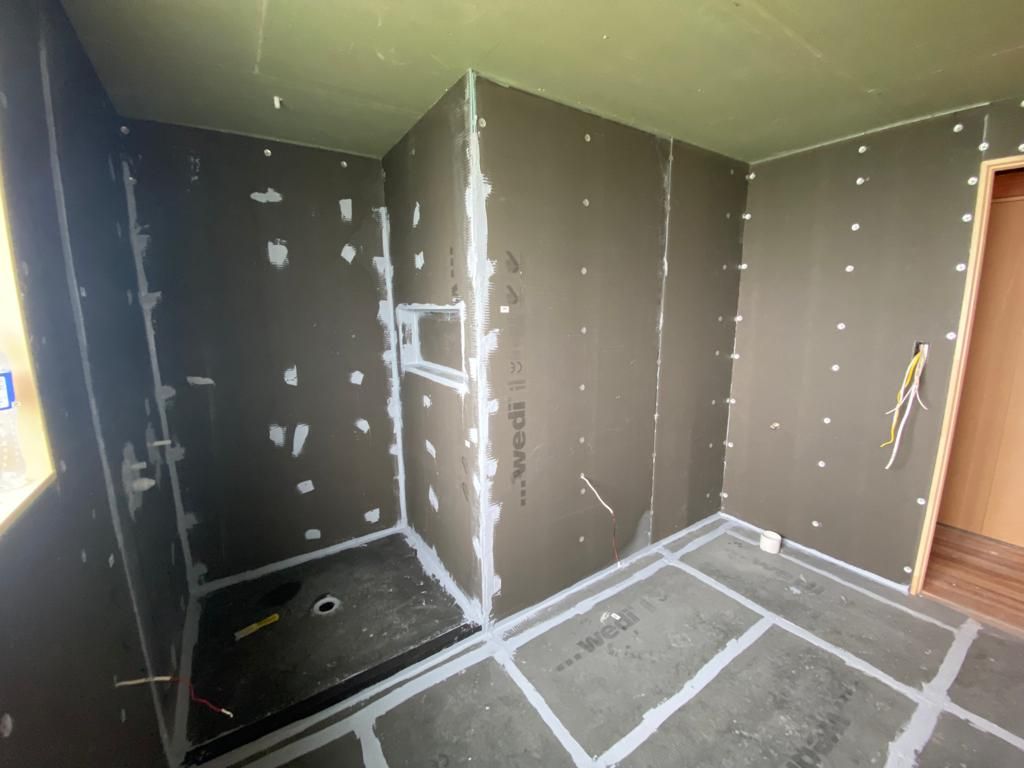
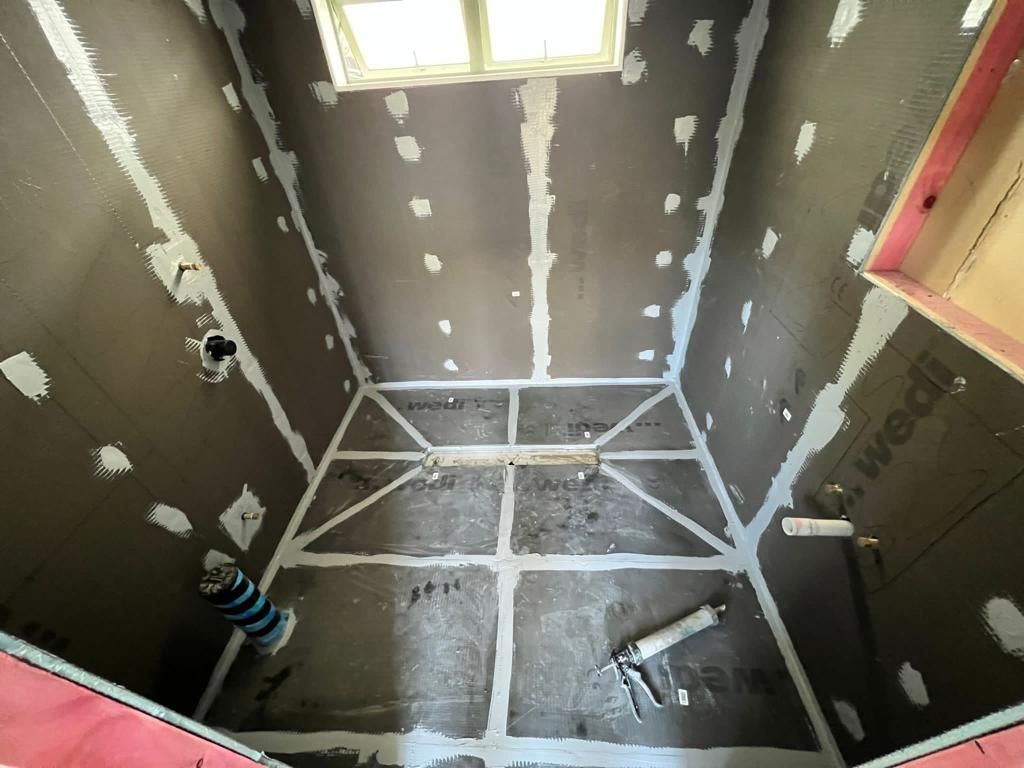
If a bathroom renovation has been sitting on your someday list — a dated ensuite, a leaking shower, a tiled bathroom you've wanted for years — and the thing holding it back is the thought of council, this pathway changes the maths. From Warkworth and Matakana through Mangawhai, Maungaturoto and Waipu to Bream Bay and Whangārei, we build complete consent-exempt bathroom renovations on Wedi: strip-out, substrate, certified waterproofing, tiling in porcelain, stone or mosaic, and every piece of documentation — as one job, from one company. See what a full renovation includes on our bathroom renovations page, or find your area under where we work.
Not always. When Wedi is used in a bathroom renovation, the work may qualify for an automatic Schedule 1 exemption from building consent — a decision that sits with the building owner and the builder. Where the owner prefers the certainty of a formal decision, or it's considered necessary, a discretionary exemption can be applied for instead.
A discretionary exemption is a formal decision from council that your project doesn't need a building consent. For Wedi work it applies where the installer is Wedi certified, the installation strictly follows Wedi's product guidelines under its CodeMark certification, and the work meets the Building Code. The application is made online — Auckland Council's fee is currently $515 — and no on-site council inspection is required. Wedi also liaises with council when notified of an application, and these are fast-tracked.
The full record, every time. We provide a PS3 producer statement for the installation and register every project with Wedi — installation photos and invoice included — which activates the manufacturer's warranty on the system. The exemption pathway means council doesn't demand this paperwork, but your builder, your insurer and any future buyer will be glad it exists — so we provide it regardless.
Yes. Every Wedi project we install is registered with Wedi — including installation photos and invoice — which is what activates the manufacturer's warranty on the system.
| Basis | Wedi CodeMark certification |
| Pathway 1 | Automatic Schedule 1 exemption — owner & builder decision |
| Pathway 2 | Discretionary exemption — online application to council |
| Fee | $515 (Auckland Council; other councils vary) |
| Inspection | Not required under discretionary exemption |
| PS3 | Issued by us on every job — council doesn't require it |
| Requires | Wedi certified installer; strict adherence to Wedi guidelines |
| Warranty | Project registered with Wedi on completion |
Call for straight answers on systems, timing and budget — or send photos and measurements for a fast estimate.